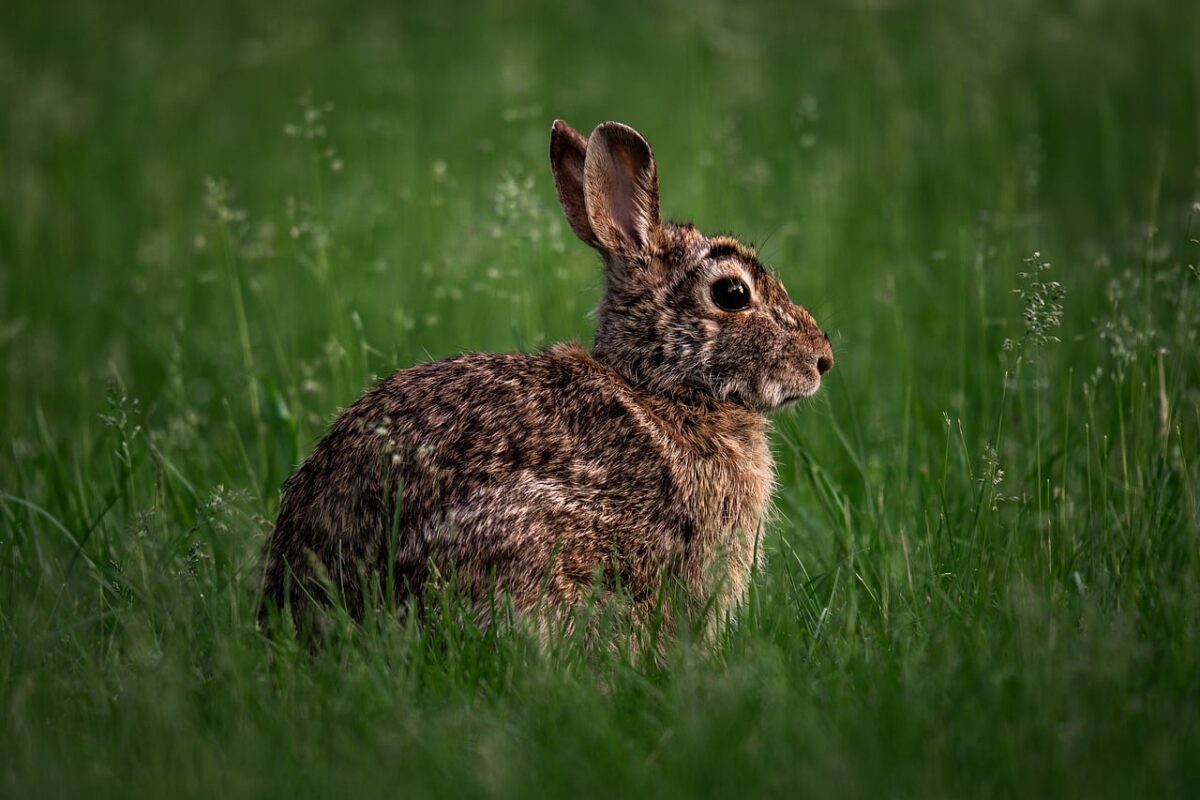
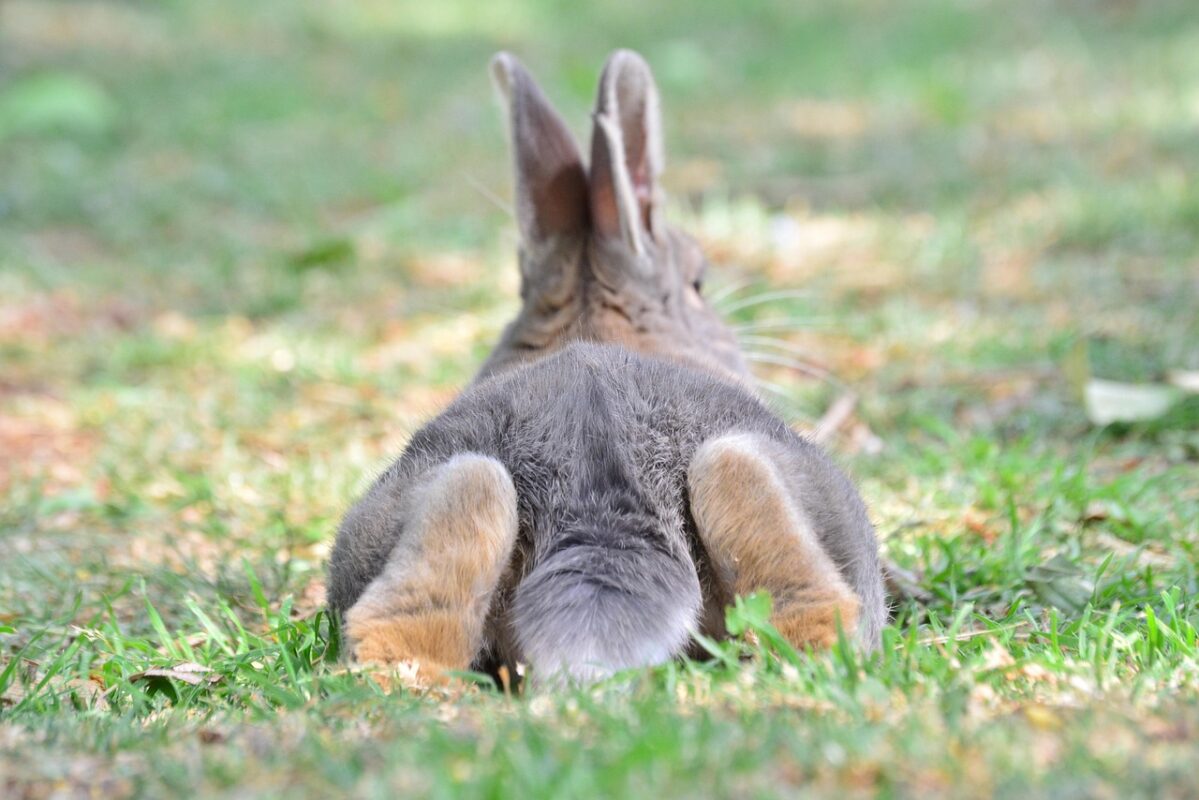
Rabbits, guinea pigs and hamsters are not decorative animals. They have strong behavioural drives — to dig, to chew, to search for food — and those drives do not switch off because the animal lives in a habitat. Blocked, they get redirected onto carpet, skirting boards and cage bars.
Giving each of them a legitimate outlet is cheap and changes behaviour quickly.
Digging
Rabbits dig. So do hamsters and gerbils, and to a lesser extent guinea pigs. It is one of the strongest drives in the group and the one most often unmet.
A dig box is the answer: a shallow container filled with something they can excavate.
- Shredded plain paper — free, safe and immediately effective.
- Child-safe play sand for hamsters and gerbils.
- Hay packed loosely, which combines digging with foraging.
- Untreated soil in a tray for rabbits, if you are prepared for the mess.
Put it in the playpen area rather than the sleeping area. Pens and enclosures are under playpens and tunnels.
Chewing
Teeth grow continuously, so chewing is dental maintenance rather than entertainment. An animal without appropriate chew material will find inappropriate material.
Safe: untreated hardwood, willow, apple wood, rattan, woven grass, plain cardboard, compressed hay chews.
Not safe: softwoods, stone-fruit woods such as cherry and plum, anything treated or painted, and plastic.
Our chew and enrichment toys range names the material on every listing, which is the only detail that matters for safety.
Foraging
In the wild these animals spend most of their waking hours searching for food. A bowl removes that completely.
The cheapest possible fix is to stop using the bowl for part of the ration:
- Scatter pellets and dried forage across the habitat floor.
- Push food into a woven grass ball or mat.
- Wrap a treat in plain paper and let them tear it open.
- Hide portions inside cardboard tubes with the ends folded.
- Use stacking cups or a treat-dispensing toy for pellets.
None of that takes extra time — it is the same food, delivered differently.
Rotation
Small animals habituate as quickly as dogs and birds. Four items left in permanently stop registering within a fortnight.
Keep half the enrichment out of the habitat and swap weekly. Moving items to new positions counts as novelty too, and costs nothing.
A weekly rhythm
- Daily: scatter part of the forage; refresh hay in a rack rather than a bowl.
- Every few days: a fresh cardboard item or paper parcel.
- Weekly: rotate chew items and move two things to new positions.
- Daily, ideally: playpen time with a dig box available.
Signs it is working
More time spent moving around the habitat, less bar-chewing and less cage-corner digging, and an animal that comes out to investigate rather than staying in a hide. In rabbits, more binkying — the twisting jump that means a rabbit is enjoying itself.
Signs something is wrong
An animal that used to be busy and has gone quiet is not bored, it is unwell until proven otherwise. Reduced chewing in particular often means dental pain.
Look at droppings at the same time. Fewer, smaller or misshapen droppings alongside reduced activity is a same-day veterinary matter, especially in rabbits.
Keeping it cheap
Most of the best enrichment costs nothing: plain cardboard, paper, hay in different places, and the animal’s own food delivered differently. Buy the things that cannot be improvised safely — untreated wood chews, woven grass items, a proper dig-capable pen.
Chew items are under chew and enrichment toys, mats under mats and cage liners, and pens under playpens and tunnels.
Ask us for ideas for a specific animal, see the FAQ, or browse the range.
From our shelves
Products in this store that relate to what is covered above:
Prices are in US dollars. Delivery timings are on our shipping policy page and the return and refund policy sets out the window if something is not right.
Key points
- Digging, chewing and foraging are needs rather than hobbies; blocked, they turn into carpet and skirting board damage.
- A dig box of shredded paper or child-safe play sand satisfies the digging drive cheaply.
- Scatter part of the daily forage instead of putting it in a bowl — it costs nothing and fills real time.
- Rotate enrichment weekly; small animals habituate as fast as any other species.
- Stacking cups, treat-dispensing toys and cardboard all work; the material matters more than the cleverness.
- A previously busy animal that goes quiet is a health signal, not a preference change.
Related reading