People move to Phoenix and keep doing what they did elsewhere, and for small mammals that does not translate. Rabbits and guinea pigs tolerate cold reasonably and heat very badly, and a summer here is well outside what these species evolved for.
This is the plan we give customers at the counter every May.
Why they cannot cope
Small mammals do not sweat. Rabbits lose heat through the blood vessels in their ears; guinea pigs have even less capacity than that. Both are permanently wearing a fur coat, and neither can take it off.
The practical result is that they overheat at temperatures people find merely warm, and they do it fast. Heat stress in a rabbit can go from first signs to collapse within an hour.
Where they must not live
Garages, patios, enclosed porches, sunrooms and any room without air conditioning. A Phoenix garage in July reaches temperatures that will kill a rabbit in an afternoon, and it stays hot long after sunset.
Outdoor hutches are not viable here in summer, full stop. Indoors, keep habitats away from windows — direct sun through glass heats a cage rapidly even in a cooled house — and away from west-facing rooms in the afternoon.
Cooling the habitat
- Ceramic or stone tiles. An unglazed tile gives a cool surface to lie against, needs no power, and is the single most effective item.
- Frozen bottles, wrapped. A frozen water bottle in a towel gives somewhere cool to lie beside. Always wrapped — bare frozen plastic causes cold injury and gets chewed.
- Airflow. A fan moving air through the room, not pointed at the animal.
- More water, checked more often. Dehydration accelerates everything else.
- Cool mats. Straw and woven grass mats sit cooler than fleece; see mats and cage liners.
Give the animal a choice of surfaces rather than making the whole habitat cold. Animals thermoregulate by moving, and they are good at it when given options.
Recognising heat stress
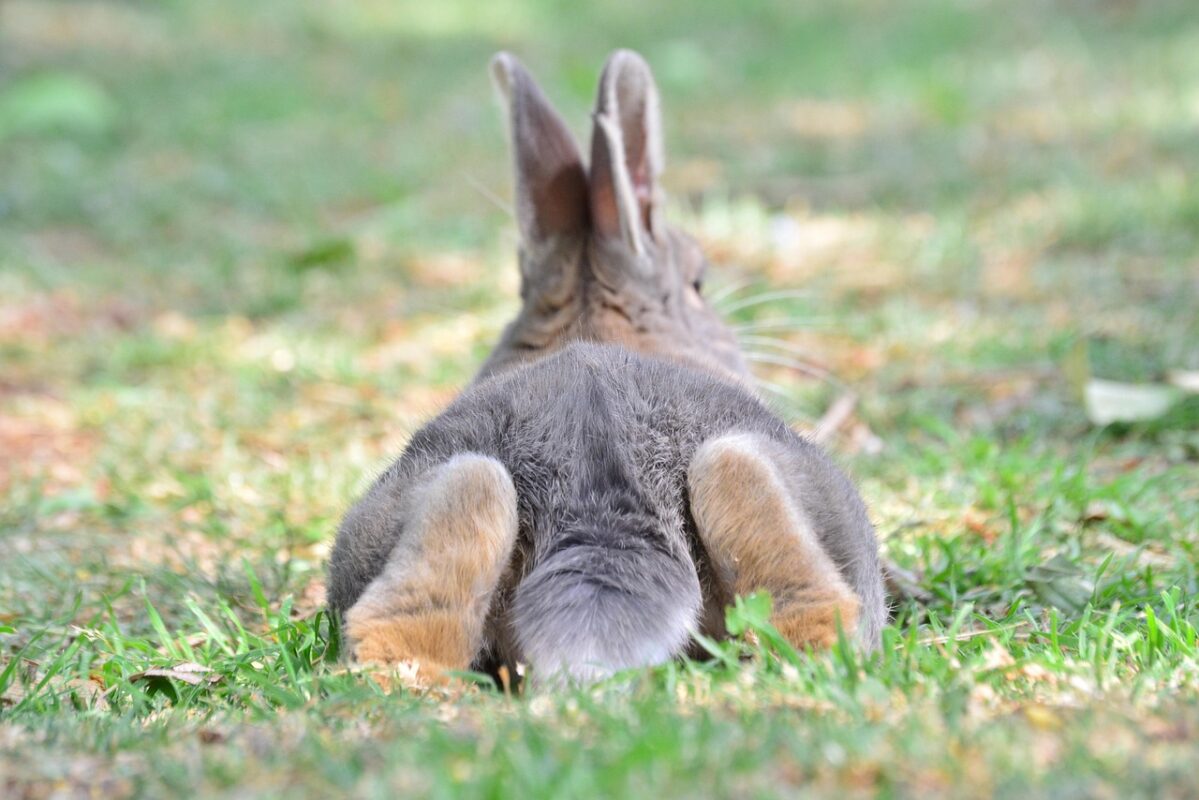
Early: lying flat and stretched out, unwilling to move, breathing fast and shallow, ears hot and noticeably red.
Advanced: drooling, wet nose, disorientation, tremors, collapse.
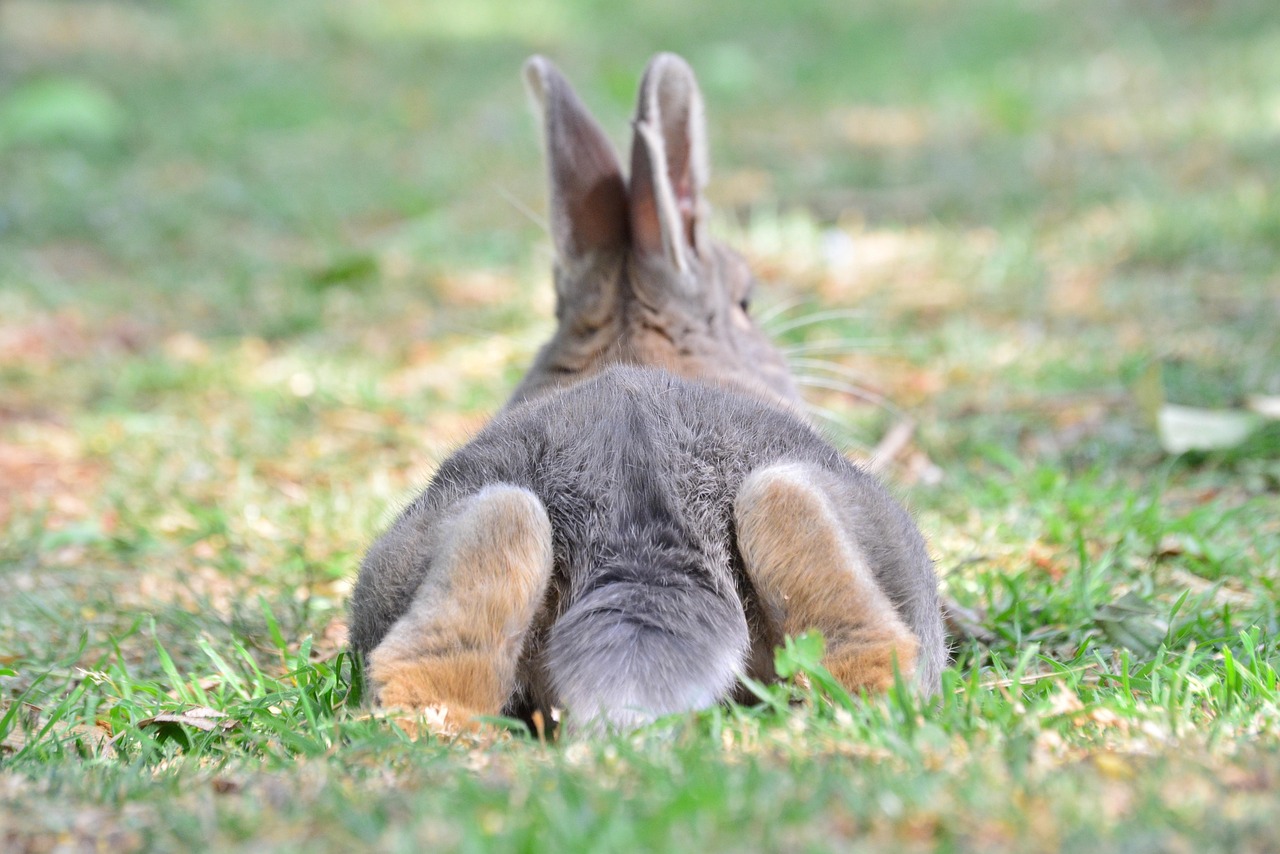
The early signs are easy to mistake for relaxation, which is why they get missed. A rabbit sprawled flat on a hot afternoon is not comfortable, it is trying to lose heat.
What to do
Move the animal to the coolest room. Dampen the ears and feet with cool — not iced — water. Provide airflow. Offer water but do not force it. Call a vet immediately, and do not wait to see whether things improve.
Do not immerse the animal or use ice water. Cooling too fast causes shock, and shock is what kills animals that would otherwise have recovered.
Grooming as heat management
Long-coated animals carry a real heat burden here. A summer trim for a long-haired guinea pig or an Angora rabbit is a welfare measure.
Rabbits also moult heavily in warm weather, and ingested fur is a gut stasis risk. Daily brushing through a moult is worth the ten minutes — see grooming.
Water in a dry climate
Intake climbs substantially in summer here, and low humidity means water evaporates from open bowls faster than you would expect. Check twice a day rather than once, offer more than one source, and keep water out of direct sun.
Bowls and bottles are under bowls and water bottles. Offering both covers the failure modes of each.
Planning for a power cut
Monsoon storms take out power, and with it the air conditioning that these animals depend on. Plan in advance rather than improvising:
- Keep frozen bottles in the freezer all season, specifically for this.
- Know which room in the house holds temperature longest.
- Keep a battery fan and spare ceramic tiles.
- Have a carrier ready in case you need to move the animals somewhere cooled.
Adjusting the routine
Move handling and playpen time to early morning or late evening. Keep hay dry and check it more often — low humidity is kinder to hay here than a coastal climate, but heat still degrades it.
Reduce anything that generates activity in the middle of the day. Foraging and chewing are better afternoon activities than running, and chew items under chew and enrichment toys keep an animal occupied without raising its temperature.
We are on North Tatum Boulevard — ask us anything, see the FAQ, or browse the range.
From our shelves
Products in this store that relate to what is covered above:
Prices are in US dollars. Delivery timings are on our shipping policy page and the return and refund policy sets out the window if something is not right.
Key points
- Small mammals cannot sweat. In Phoenix summers, air conditioning is not a luxury for these species.
- Never house a rabbit or guinea pig in a garage, patio or unconditioned room here, at any time of year.
- Ceramic tiles and towel-wrapped frozen bottles give an animal a cool surface to choose.
- Watch for flat sprawling, rapid shallow breathing and hot red ears — early heat stress, not relaxation.
- Cool gradually with damp ears and airflow. Ice water causes shock and makes things worse.
- Plan for summer power cuts: frozen bottles ready in advance and a known coolest room.
Related reading