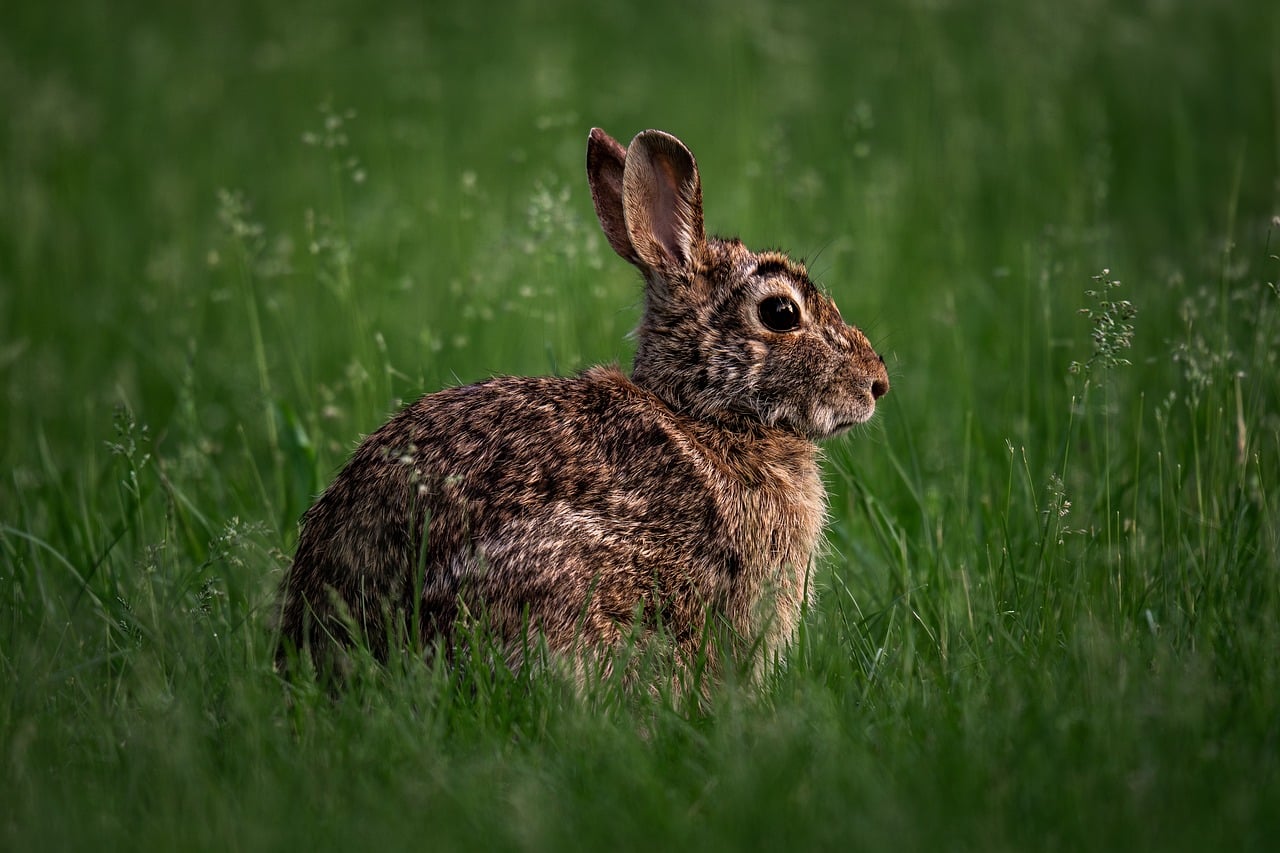
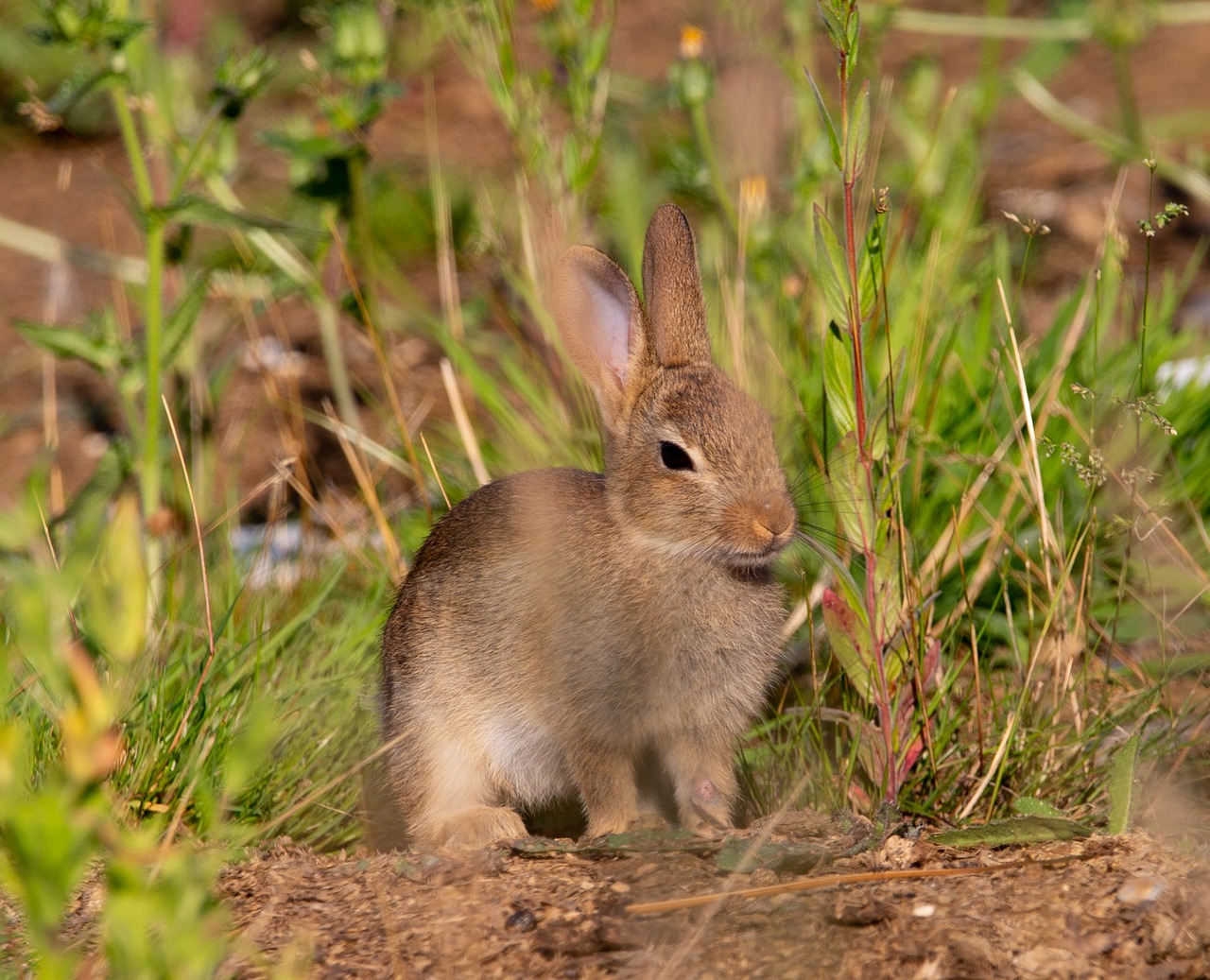
Litter training a rabbit is far easier than most people expect, because you are not teaching a new behaviour. Rabbits and guinea pigs already concentrate their toileting in one corner. All you are doing is putting a box in the corner they picked.
Realistic expectations
Rabbits: train well. Most reach near-complete reliability for urine, with some scattered droppings as marking behaviour. That marking is normal and reduces substantially after neutering.
Guinea pigs: train partially. Many will use a box for urine most of the time and will drop pellets wherever they happen to be. That is not a failure of training; it is how guinea pigs work.
Neutering matters more than any training technique for rabbits. An entire rabbit marks territory, and no amount of patience overrides hormones.
Setting it up
- Watch for a week. Note which corner is used. Do not decide in advance.
- Put the box there. Not where it is tidiest for you.
- Seed it. Move a few soiled droppings and a little urine-soaked bedding into the box so it smells right.
- Add hay. Either in a rack above the box or in one end of it.
- Clean elsewhere thoroughly so no other corner smells like a toilet. White vinegar neutralises urine odour well.
The hay trick
This is the part that makes it work. Rabbits and guinea pigs eat and toilet at the same time — it is a normal, simultaneous behaviour.
Put hay where you want them to toilet and they will stay there longer and use the box more. A hay rack mounted above the box, or a box with an integrated rack, is the neatest way to do it and keeps the hay clean.
Our litter boxes and hay feeders range includes wooden boxes with the rack built in for exactly this reason.
Litter: what is safe
Use: paper-based pellet litter, plain paper bedding, or kiln-dried aspen. All are absorbent, low dust and safe if nibbled — and they will be nibbled.
Never use:
- Clumping cat litter. Causes fatal blockages if ingested. This is the most important item on the list.
- Cedar or fresh pine. Respiratory irritants.
- Scented litter. Adds volatiles to the air the animal breathes.
- Crystal or silica litter. Not intended for animals that will eat it.
Box size and shape
Big enough for the animal to sit in fully with room to turn round. Rabbits in particular will not use a box they have to squeeze into.
Low sides for guinea pigs and elderly rabbits; higher sides for rabbits that kick litter out enthusiastically. A corner box uses habitat space efficiently, though a rectangular one is easier to fit a hay rack over.
Cleaning
Empty and refill every one to three days depending on the animal and the weather. In a Phoenix summer, more often.
Wash the box weekly with hot water and white vinegar. Rinse thoroughly. Keeping a little used litter back when you refill helps maintain the scent cue — a completely fresh box sometimes gets ignored for a day.
When it stops working
A litter-trained animal that suddenly starts toileting elsewhere is telling you something. Common causes:
- Illness, particularly urinary tract problems. This is the first thing to rule out.
- Hormonal changes in an entire animal reaching maturity.
- A new animal in the household prompting territorial marking.
- A box that is too dirty, or moved, or a litter changed to something the animal dislikes.
A sudden change with no obvious environmental cause warrants a vet appointment rather than more training.
Extending it beyond the habitat
Once the habitat box is reliable, put a second one in the playpen area. Animals generalise the habit quite readily, and it makes floor time much easier to clean up after.
Mats and washable liners under the pen catch what the box does not — see mats and cage liners, and pens under playpens and tunnels.
Ask us about a specific animal, see the FAQ, or browse the store.
From our shelves
Products in this store that relate to what is covered above:
Prices are in US dollars. Delivery timings are on our shipping policy page and the return and refund policy sets out the window if something is not right.
Key points
- Rabbits litter train readily; guinea pigs partially, and expecting perfection from a guinea pig leads to disappointment.
- Put the box where the animal already toilets, not where you would prefer it.
- Hay above or beside the box is the trick that makes it work — these animals eat and toilet at the same time.
- Use paper-based litter or plain paper bedding. Never clumping cat litter, pine or cedar.
- Neutering makes a very large difference to rabbit litter habits and to territorial marking.
- Scattered droppings outside the box are normal marking behaviour, not a training failure.
Related reading